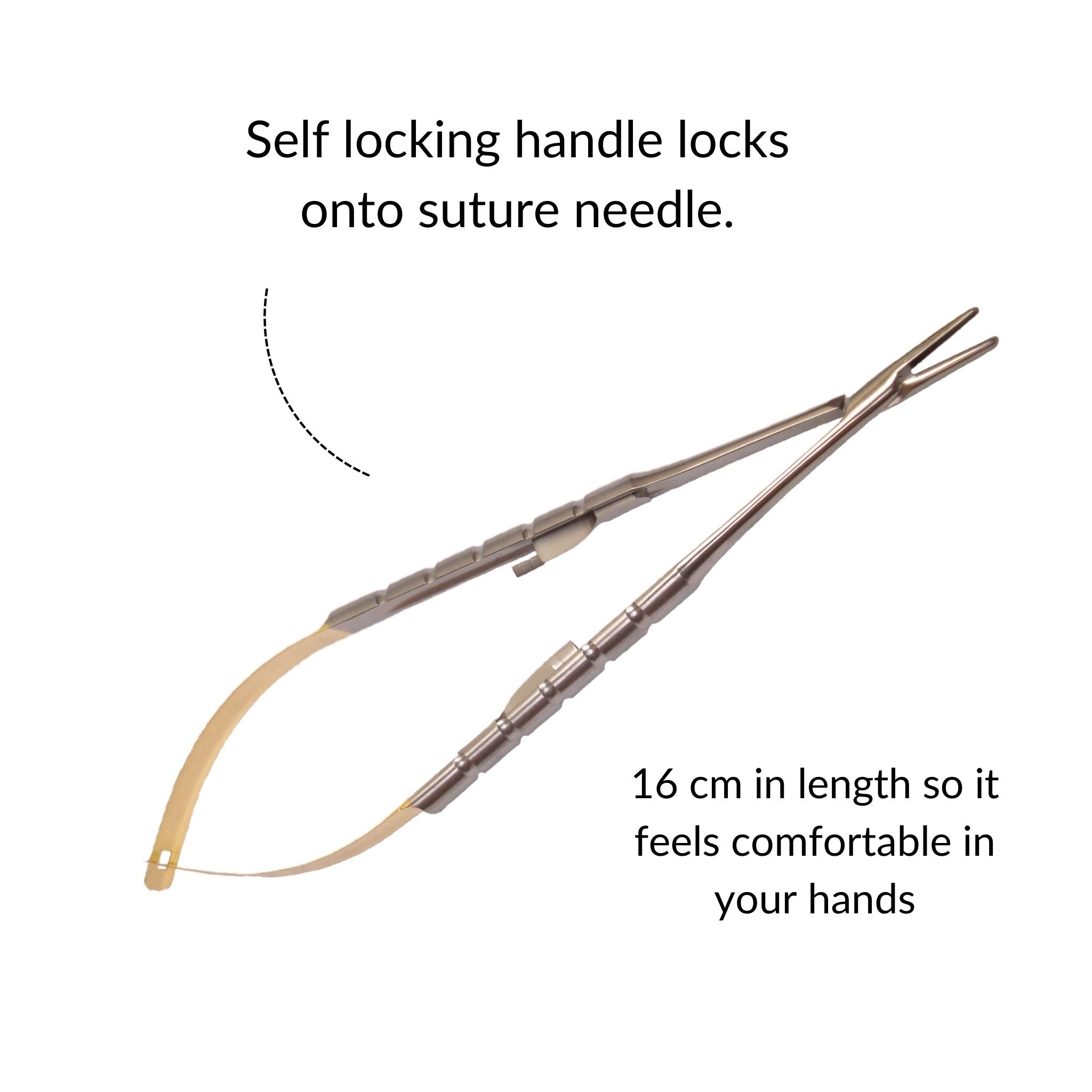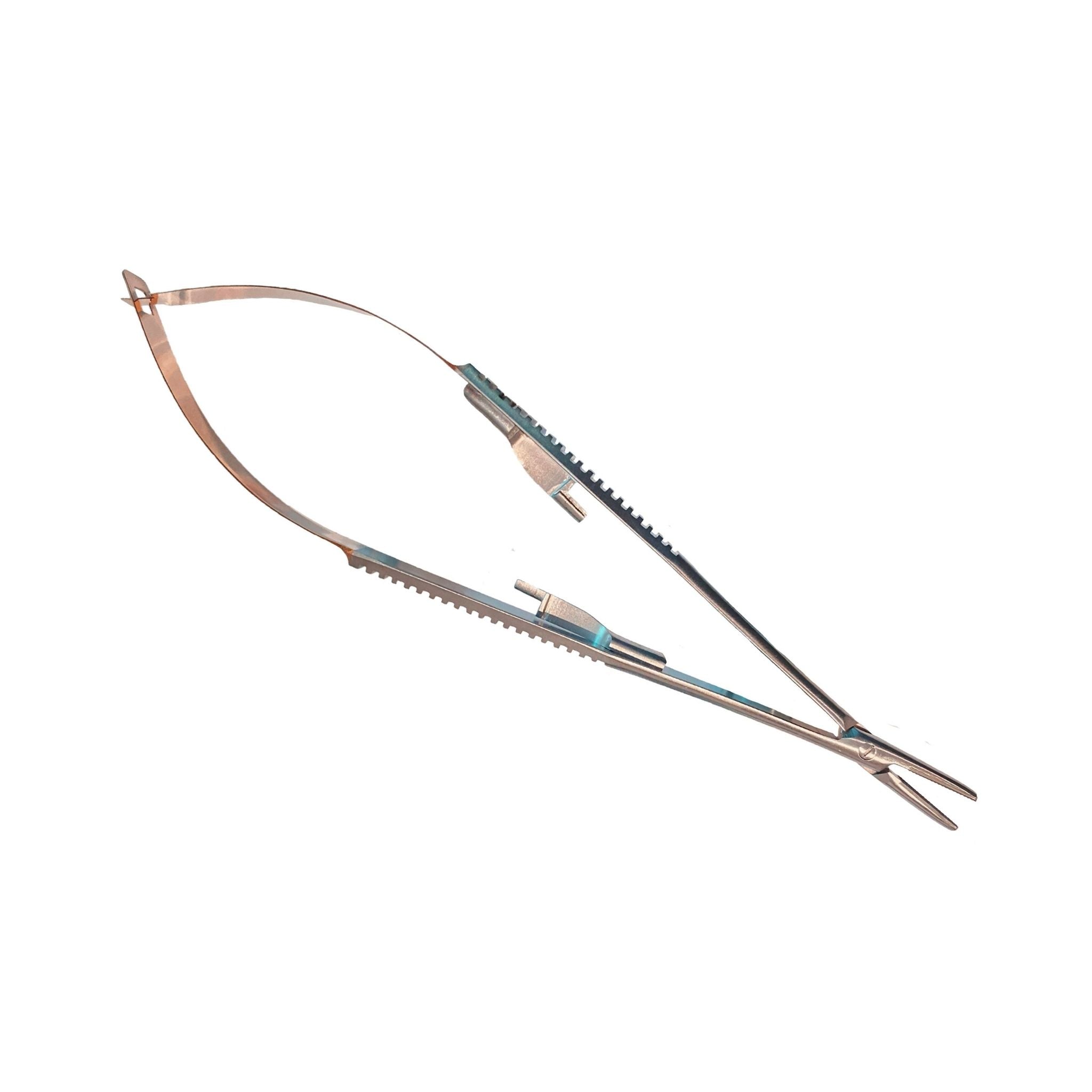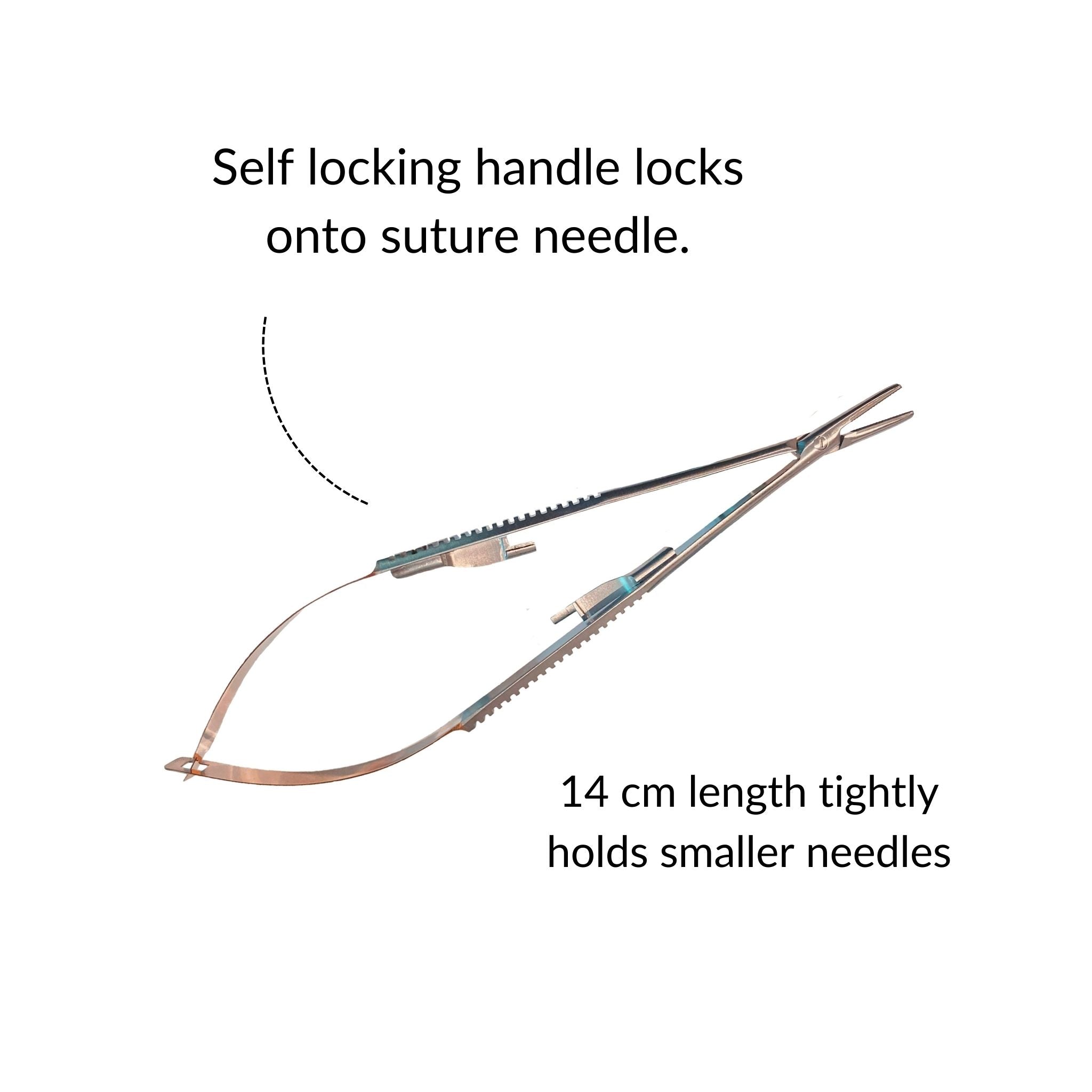

There is a very specific moment in lower molar extractions that every dentist recognizes immediately.
You seat the forceps.
You feel what seems like reasonable purchase.
You apply pressure — expecting the furcation to engage and the tooth to begin moving.
And then the beaks slip coronally.
No lift. No controlled expansion. Just a loss of mechanical advantage and a reset of your hand position.
On a mandibular first or second molar with accessible furcation anatomy, that slippage is not a technique problem. It is an instrument problem. And it is exactly where cowhorn forceps design either delivers — or completely falls short.
The Right Case for Cowhorn Forceps — And Why Case Selection Matters
Before anything else, it is worth being precise about when cowhorn forceps are the right call.
Cowhorns are not a universal lower molar solution. They perform best under specific conditions:
-
The furcation is accessible — ideally within approximately 2mm of the gingival margin
-
The crown has sufficient integrity to allow beak placement without immediate fracture
-
Root divergence is present, giving the wedging action something to work against
-
The tooth has not drifted significantly mesially (greater than 20 degrees of mesial tilt reduces predictable engagement)
When those conditions are met, cowhorns are one of the most mechanically efficient instruments available for lower molar extraction. When they are not — particularly in teeth with severely fractured crowns at or below the CEJ — sectioning or elevator-first technique is more appropriate.
Understanding that case selection is what separates efficient cowhorn use from repeated repositioning and frustration.
Why Standard Universal Forceps Lose Efficiency on Lower Molars
Standard lower molar forceps like the #151 rely primarily on crown-level contact for grip. They perform well on premolars and smaller lower molars, but on mandibular first and second molars — particularly those with dense bone and divergent roots — they often feel like they are working against anatomy rather than with it.
The core issue is engagement geometry.
Crown-level contact distributes force across the tooth surface. In dense mandibular bone, that force dissipates before creating the apical pressure needed for controlled elevation. Dentists compensate by:
-
Increasing hand force to try to create movement
-
Rocking repeatedly in a buccal-lingual direction without gaining real mobility
-
Repositioning the instrument multiple times mid-procedure
-
Applying so much lateral force that crown fracture risk increases
That is when a straightforward lower molar extraction becomes a prolonged, tiring procedure — not because the case was truly difficult, but because the instrument was not designed to take mechanical advantage of the furcation anatomy.
How Cowhorn Design Changes the Mechanics
The mechanical principle behind cowhorn forceps is fundamentally different from standard forceps.
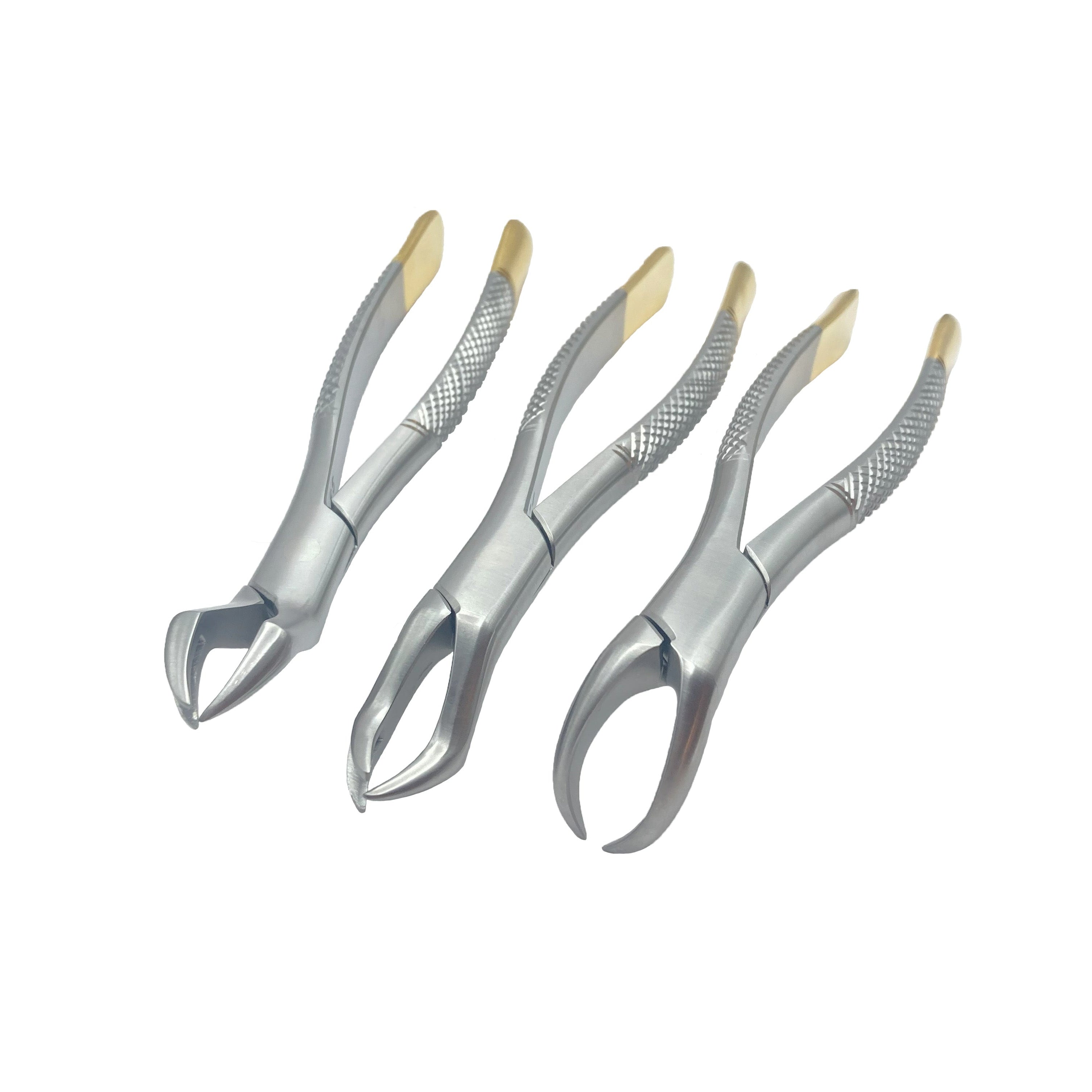
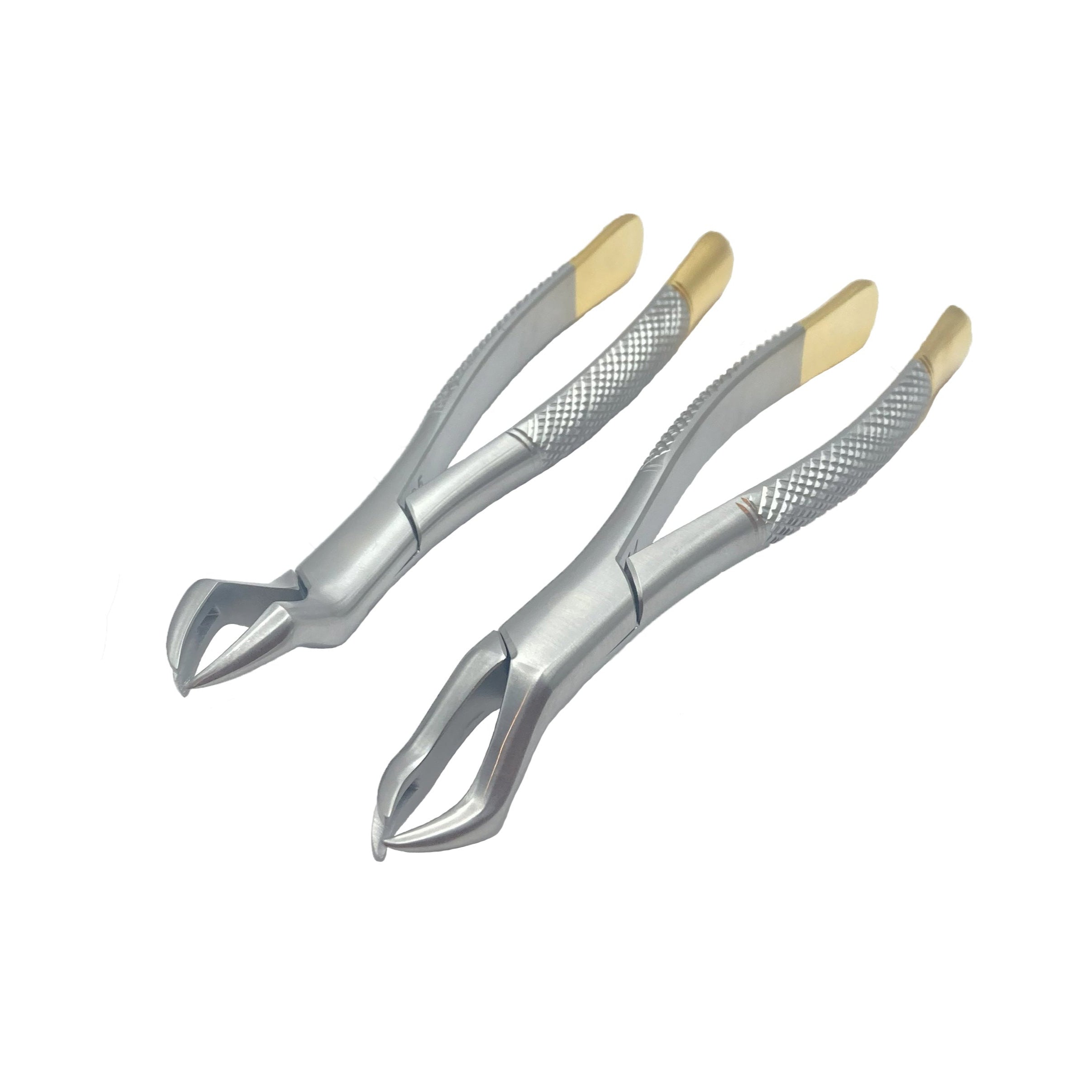
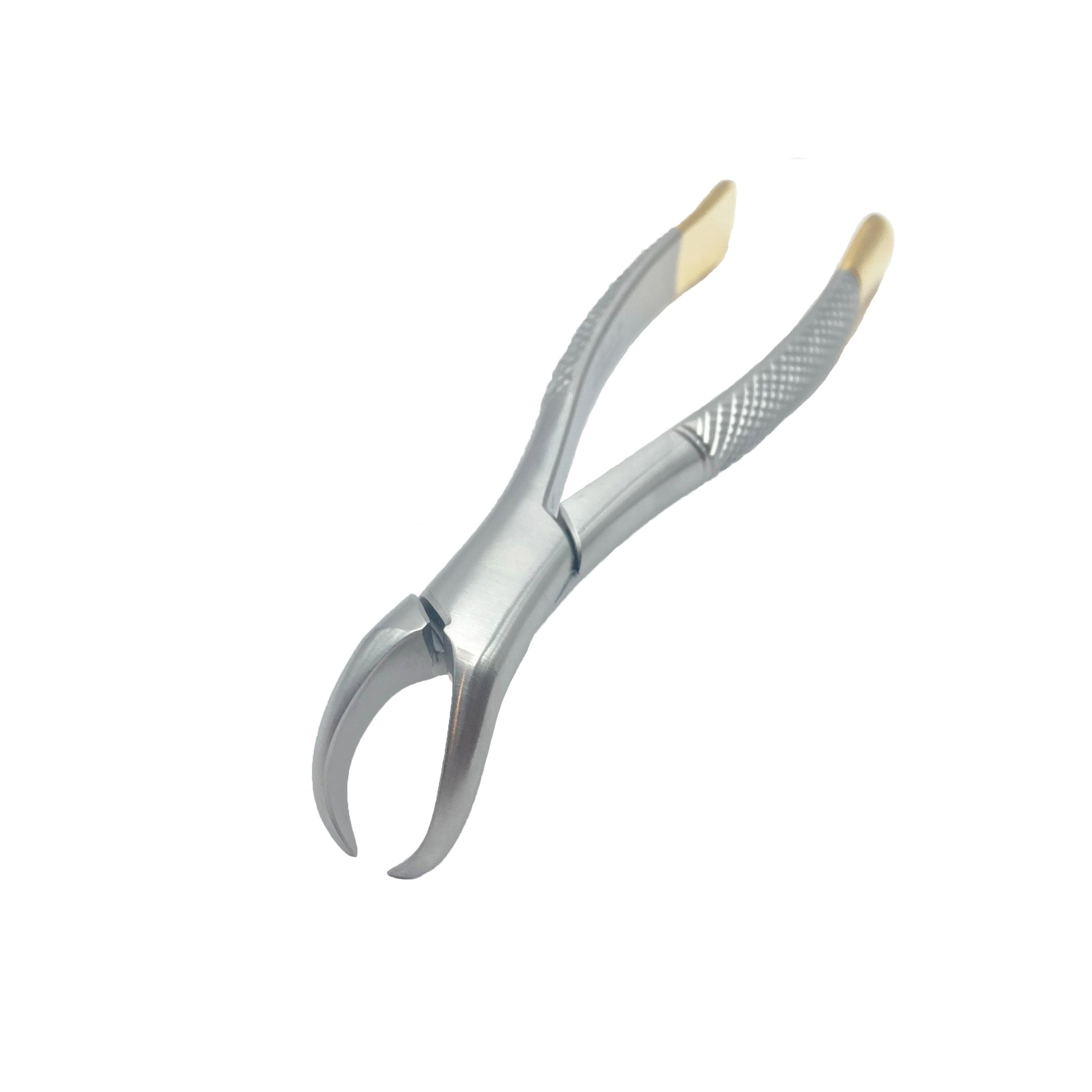
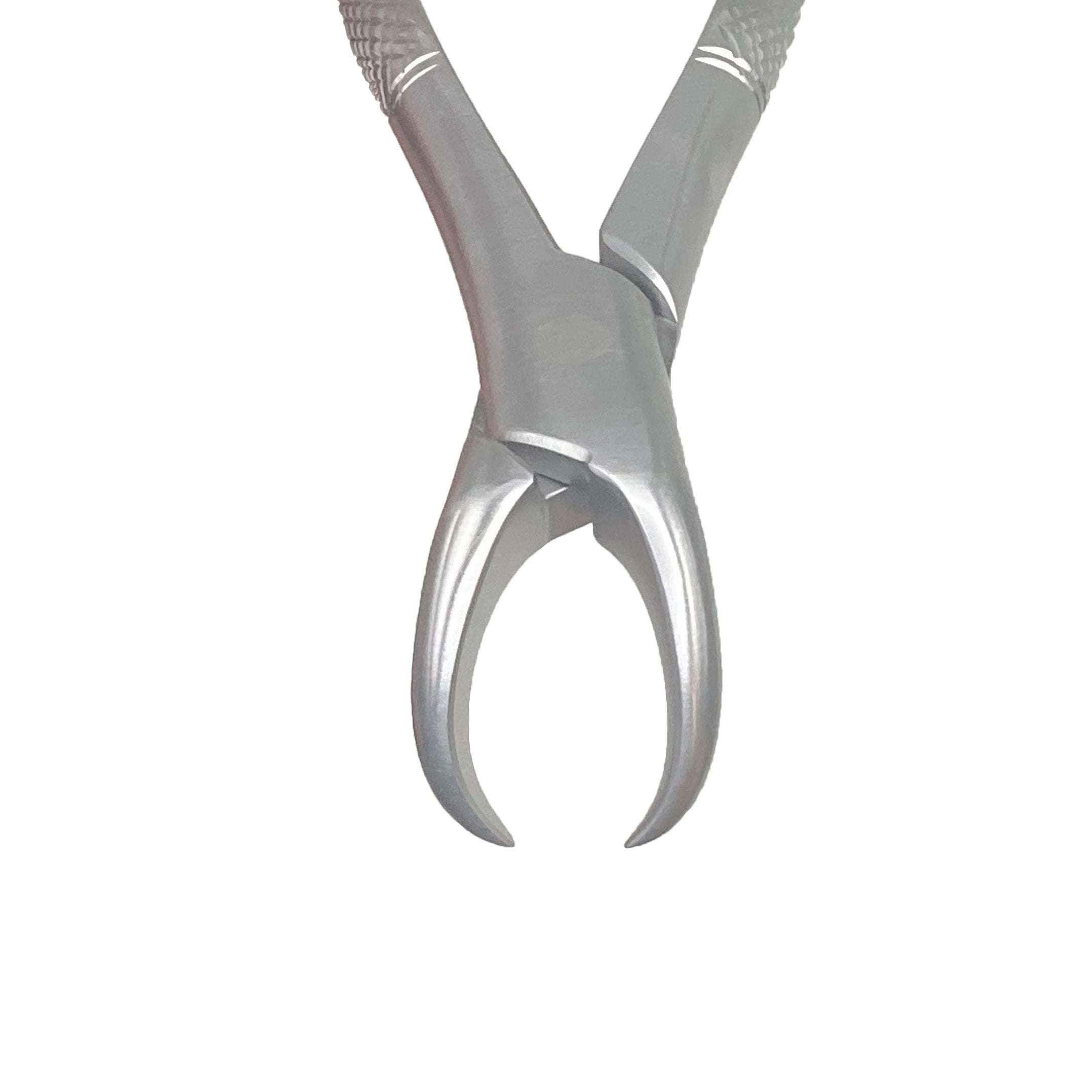
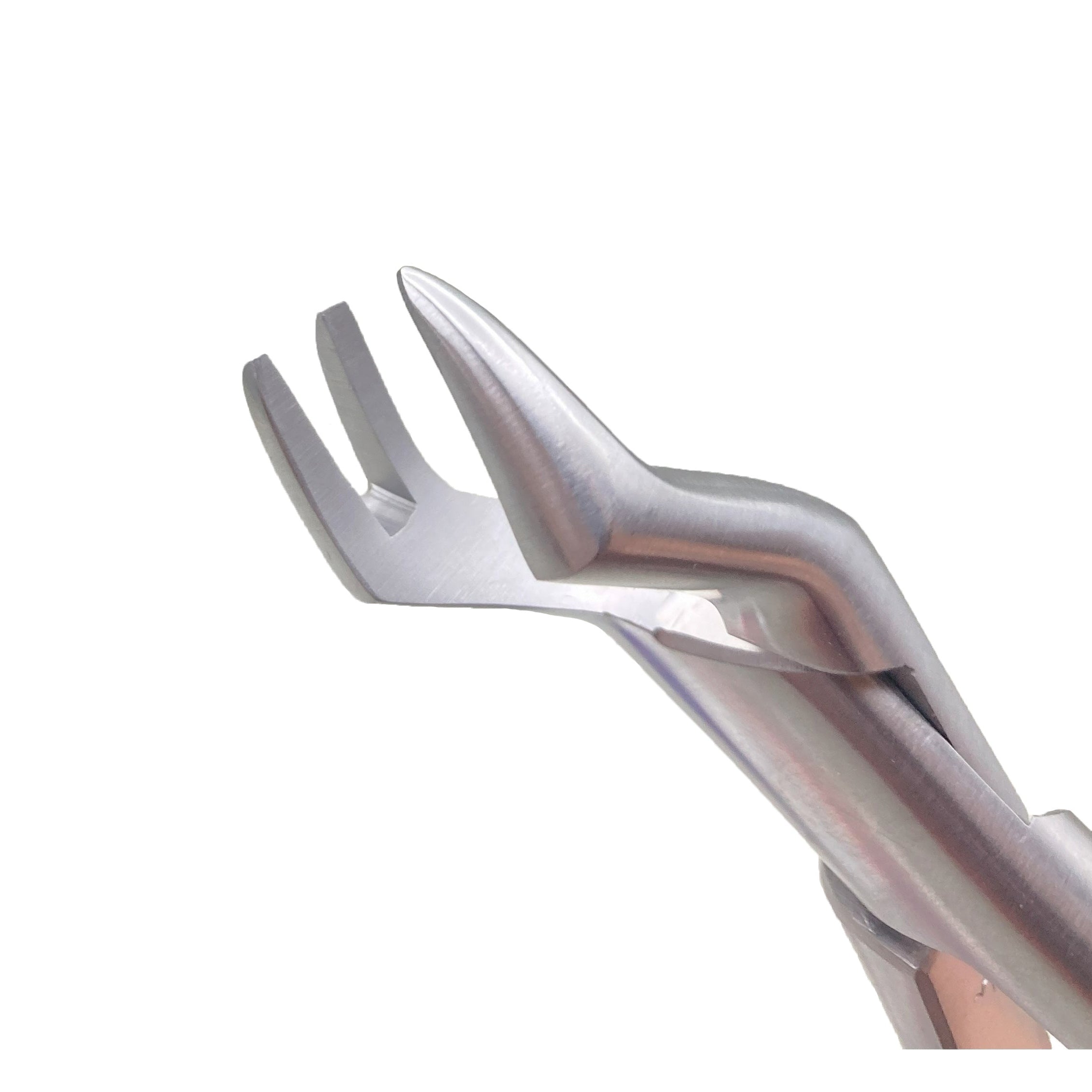
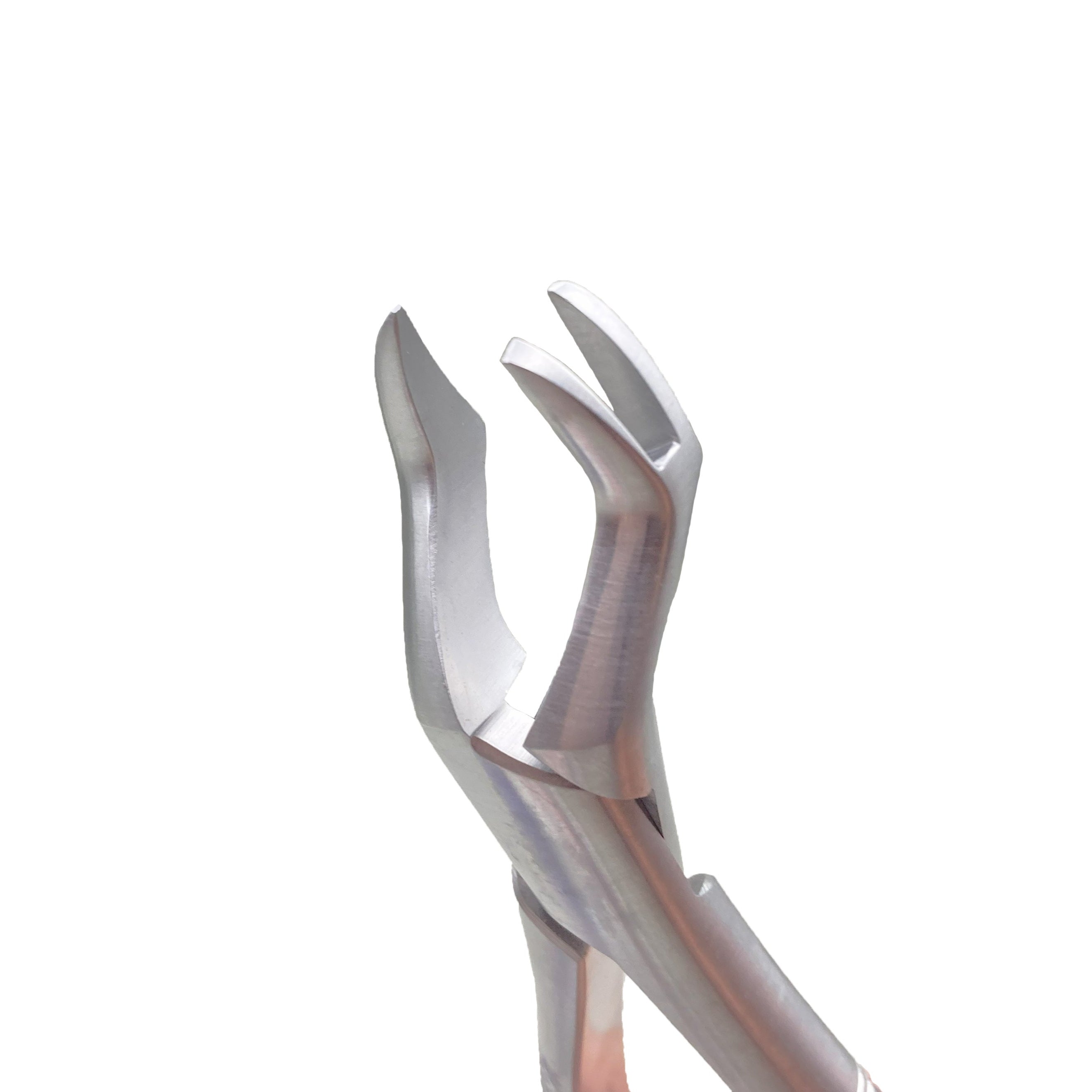
Rather than gripping the crown, the pointed beaks are designed to penetrate into the buccal and lingual furcation simultaneously. As apical pressure is applied and the handles close, the beaks wedge deeper — converting that closing force into upward elevation of the tooth through a pumping action.
That wedging mechanic is what makes a well-seated cowhorn feel almost effortless compared to a universal forceps on the same tooth. The instrument is working with the root anatomy, using divergence as a mechanical advantage rather than fighting against bone density with surface grip alone.
The key phrase is well-seated. Because the pumping action only generates lift when the beaks are genuinely engaged at the furcation — not skimming the entrance, not riding on crown structure, but actually wedging into the inter-radicular space.
That depth of engagement is exactly where cowhorn designs vary significantly from one another.
What Separates a Cowhorn That Works From One That Almost Works
Most dentists who have used multiple cowhorn brands know the feeling of an instrument that "almost" engages.
The beaks look correct. The instrument feels familiar. But under load, they skim the furcation entrance rather than penetrating into it. The result is the same slippage the article opened with — loss of purchase mid-lift, repeated repositioning, and escalating force to compensate.
That failure mode comes down to beak geometry.
A cowhorn that genuinely engages the furcation needs beaks that:
-
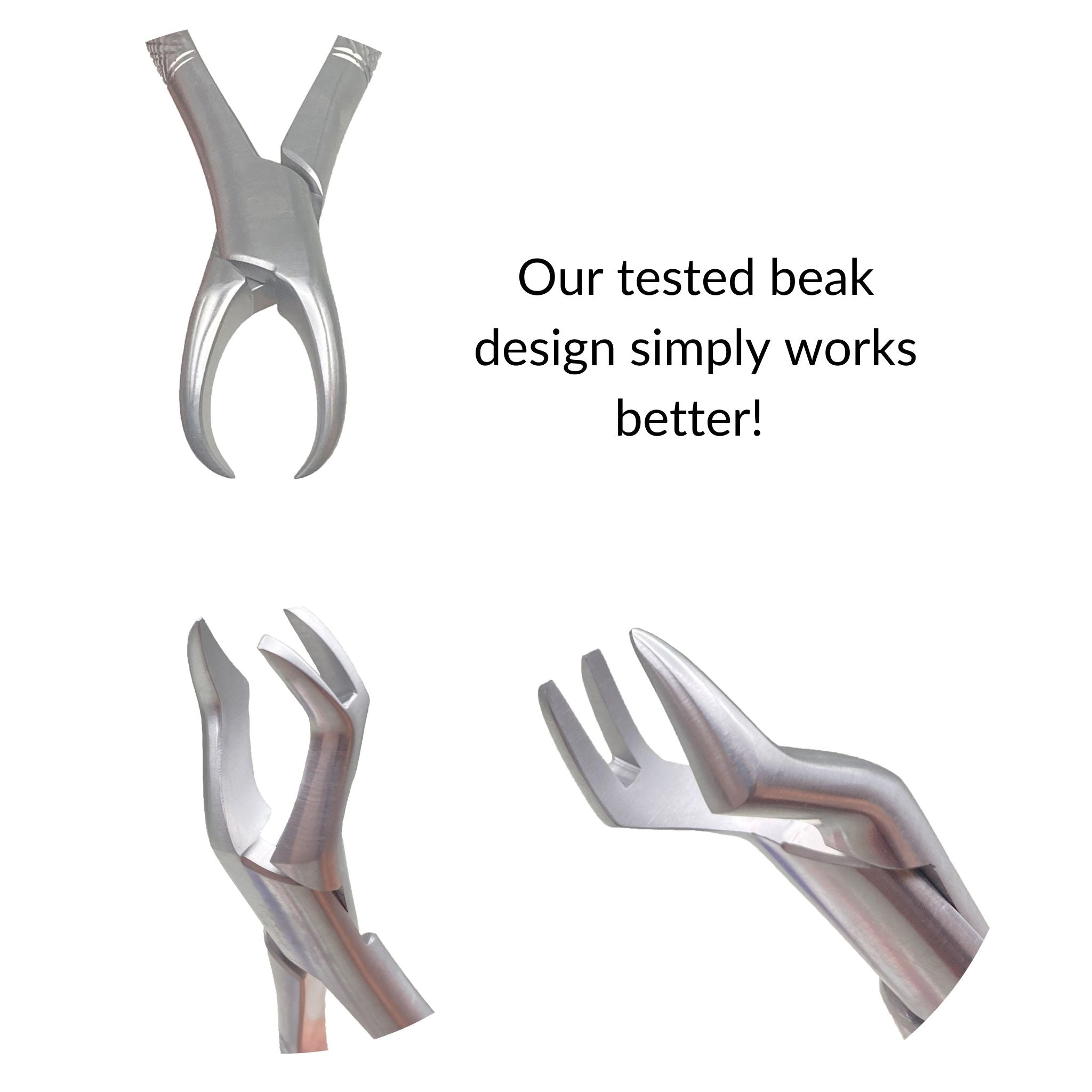
Are precision-shaped to penetrate apically rather than riding on coronal tooth structure
-
Maintain engagement during the initial pumping phase rather than slipping under load
-
Convert closing force into vertical lift efficiently through proper furcation seating depth
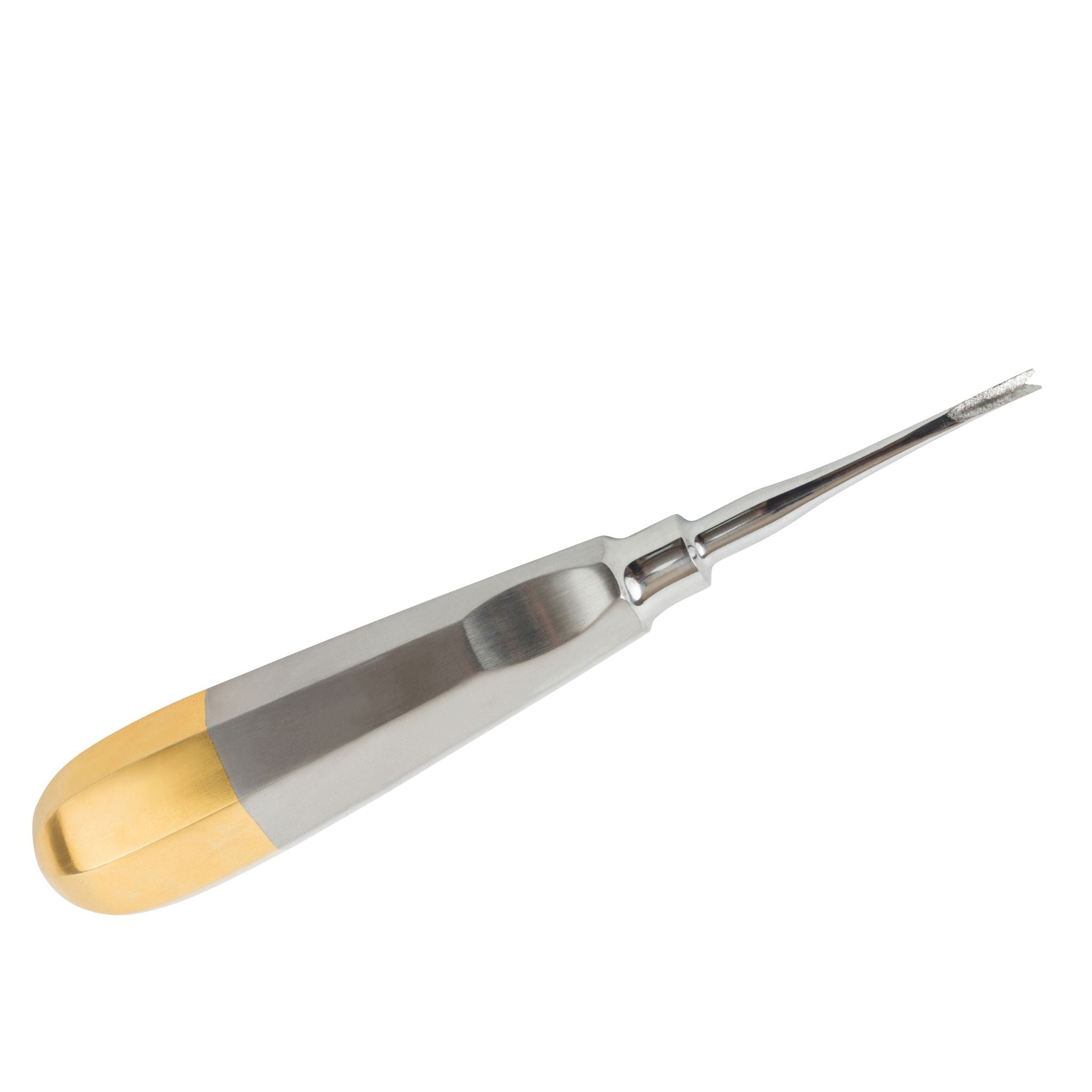
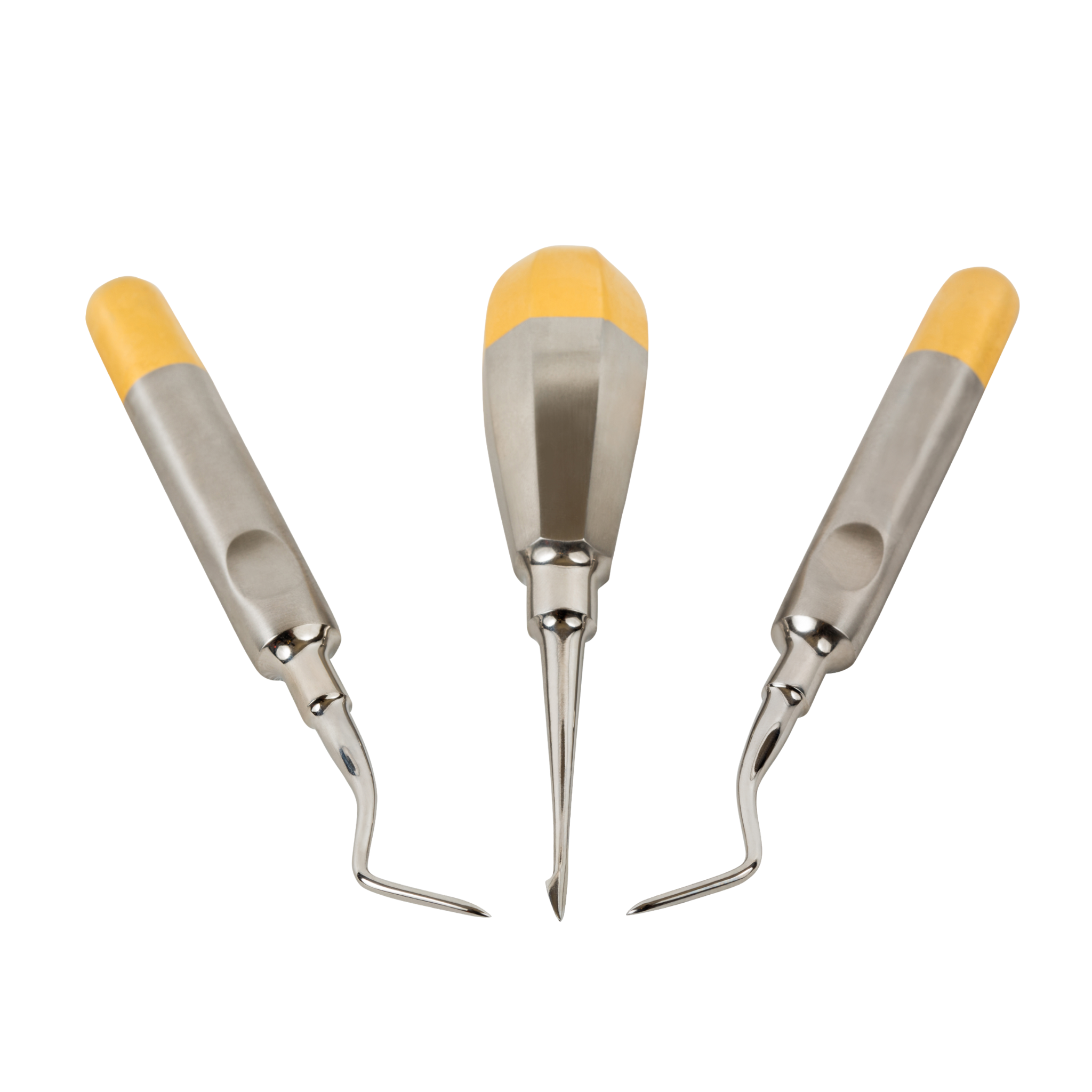
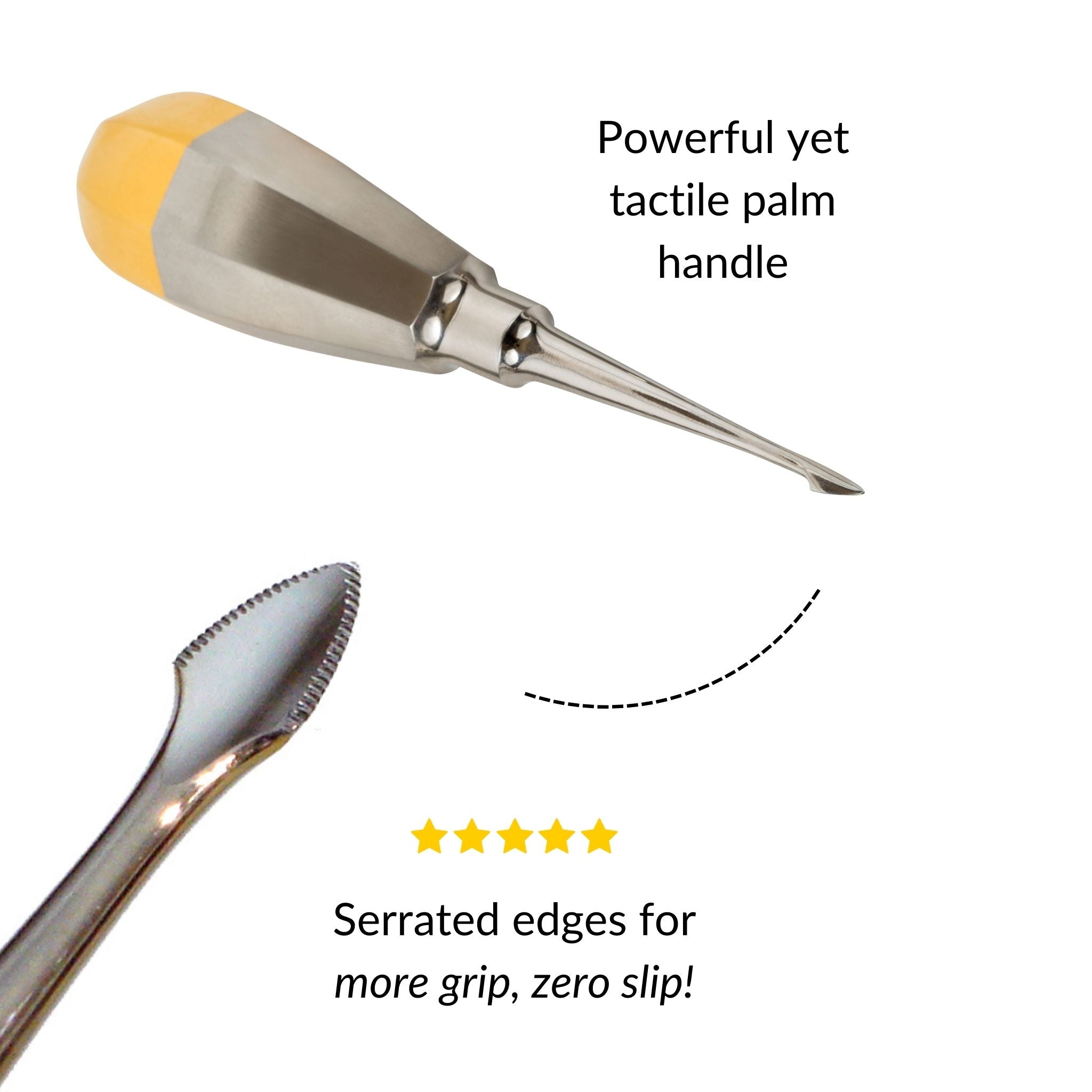
This is where ArtCraft Dental Cowhorn Forceps #23 were designed differently.
The precision-crafted beaks are engineered to seat deeper into the furcation than standard cowhorn geometry — creating a more stable mechanical lock at initial engagement. Once seated, the instrument maintains that engagement through the pumping phase rather than requiring repeated repositioning to re-establish purchase.
Clinically, that translates to less skating, more immediate mechanical lock, and a pumping action that actually feels like controlled elevation rather than repeated force application.
As one clinician described it directly: "These are the only cowhorns I use now. They really grab and hold."
That grab-and-hold behavior during initial engagement is the difference between a cowhorn that works and one that frustrates.
Where the Cowhorn #23 Fits in a Modern Extraction Workflow
Cowhorn forceps are most powerful at the beginning of molar elevation — not after mobility is already established.
The pumping action that makes cowhorns effective is what creates initial mobility by wedging the roots apart and beginning socket expansion. Waiting until the tooth is already mobile before reaching for cowhorns misses most of their mechanical advantage.
A practical lower molar extraction sequence:
-
Radiographic assessment of furcation depth, root divergence, and mesial drift before instrument selection
-
Sulcular incision to expose furcation anatomy and confirm beak seating access
-
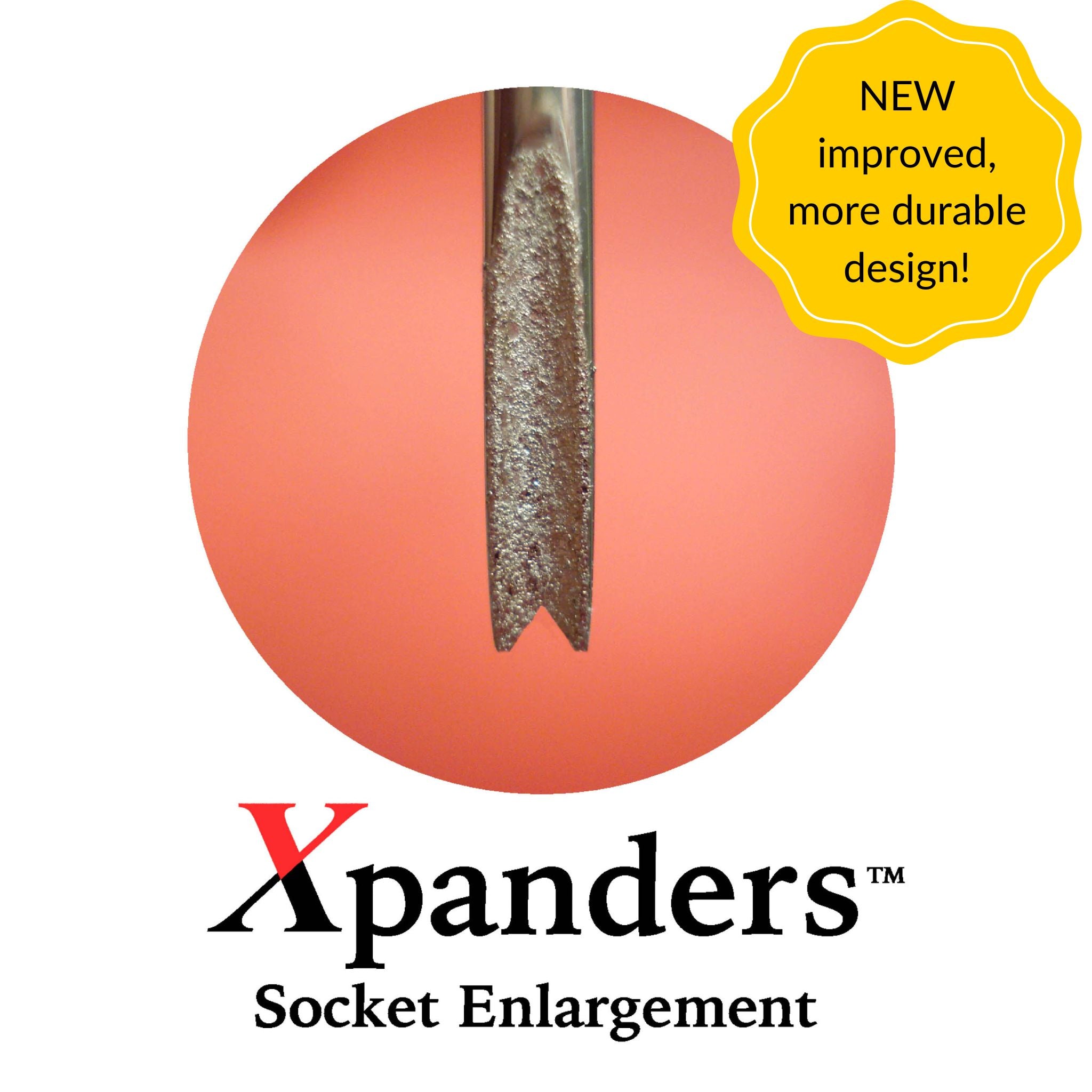
Initial PDL expansion with Xpanders™ to begin ligament release
-
Cowhorn #23 engagement at the furcation — pumping action to create elevation and initial mobility
-
Delivery with TraXion™ Forceps once adequate mobility is achieved
In this sequence, the cowhorn is doing the mechanical work of socket expansion and initial elevation — which the Xpanders have prepared the PDL space for, and which the TraXion™ can complete efficiently once the tooth is moving.
For practices that routinely perform lower molar extractions, the ArtCraft Surgical Extraction Bundle brings these instruments together as a coordinated system.
Final Thoughts
The best cowhorn forceps for lower molar extractions are not simply the strongest-looking instrument on the tray.
They are the ones that engage the furcation deeply enough to create real mechanical lift — predictably, on the first seating attempt, without requiring excessive compensatory force.
In the right case — accessible furcation, adequate crown integrity, divergent roots — a properly designed cowhorn like the ArtCraft Dental Cowhorn #23 turns what might otherwise be a prolonged, tiring extraction into a controlled, efficient procedure.
That is what cowhorn forceps were designed to do. And when the beak geometry is right, that is exactly what they deliver.
At ArtCraft Dental, the #23 and #88 cowhorn forceps were designed by a dentist who understood real chairside extraction challenges — not from a catalog, but from four decades of encountering them firsthand. If lower molar extractions are a regular part of your schedule, the #23 is worth having on your extraction tray.