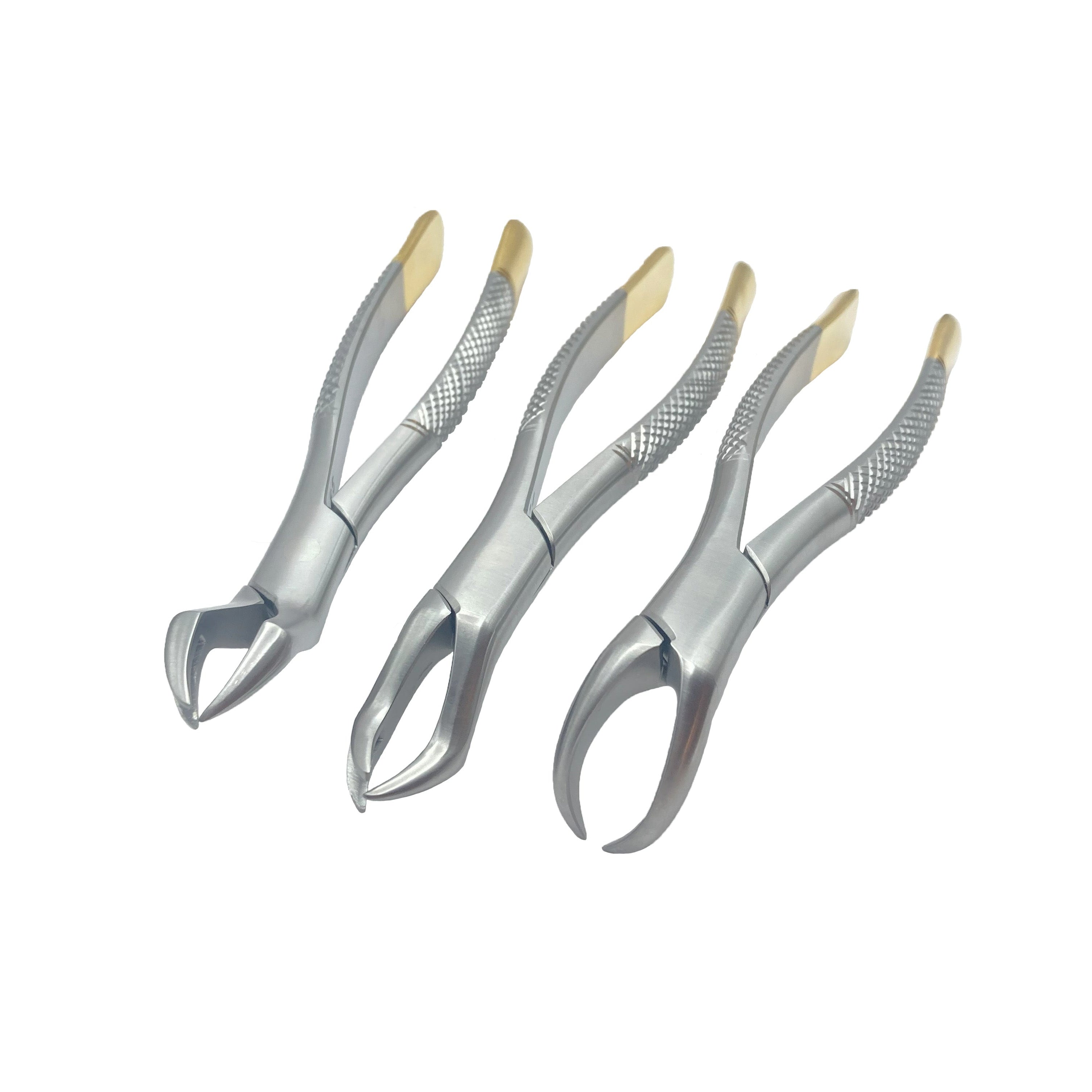

Standard upper molar forceps work fine when they work.
The problem is when they don't.
You seat the #18L or #18R, feel the beaks contact the crown, and start your buccal pressure — and the instrument shifts. The engagement is shallow. The tooth isn't moving the way it should. You reposition. Same result.
The tooth isn't necessarily difficult. The root morphology is favorable. You've done adequate PDL preparation.
The issue is the forceps aren't giving you enough mechanical purchase at the furcation to generate real lift.
That gap between "technically correct" and "actually working" is exactly where the #88 cowhorn earns its place in a molar extraction tray.
What Standard Upper Molar Forceps Do Well — And Where They Fall Short
The #18L/R is the workhorse of maxillary molar extractions for good reason. The beak geometry fits the contour of most upper first and second molars predictably, and for the majority of cases, it performs exactly as expected.
But the #18 relies primarily on coronal engagement — contact with the crown anatomy above or at the CEJ. That works well when crown structure is solid and the furcation isn't the primary grip point.
Where it starts to lose efficiency:
-
Upper molars with divergent buccal roots where shallow beak seating doesn't stabilize well
-
Teeth where the crown contour doesn't give the beaks a secure purchase point
-
Cases where you need more apical force and the standard beak geometry keeps riding coronally
-
Situations where you simply need more mechanical advantage than a standard upper molar forceps can generate
In these cases, repositioning and re-seating repeatedly isn't a technique problem. It's an instrument mismatch. The clinical reality is that some upper molars need furcation-level engagement from the start — and the #18 wasn't designed to deliver that.
Why Furcation Engagement Changes the Mechanics of Upper Molar Extraction
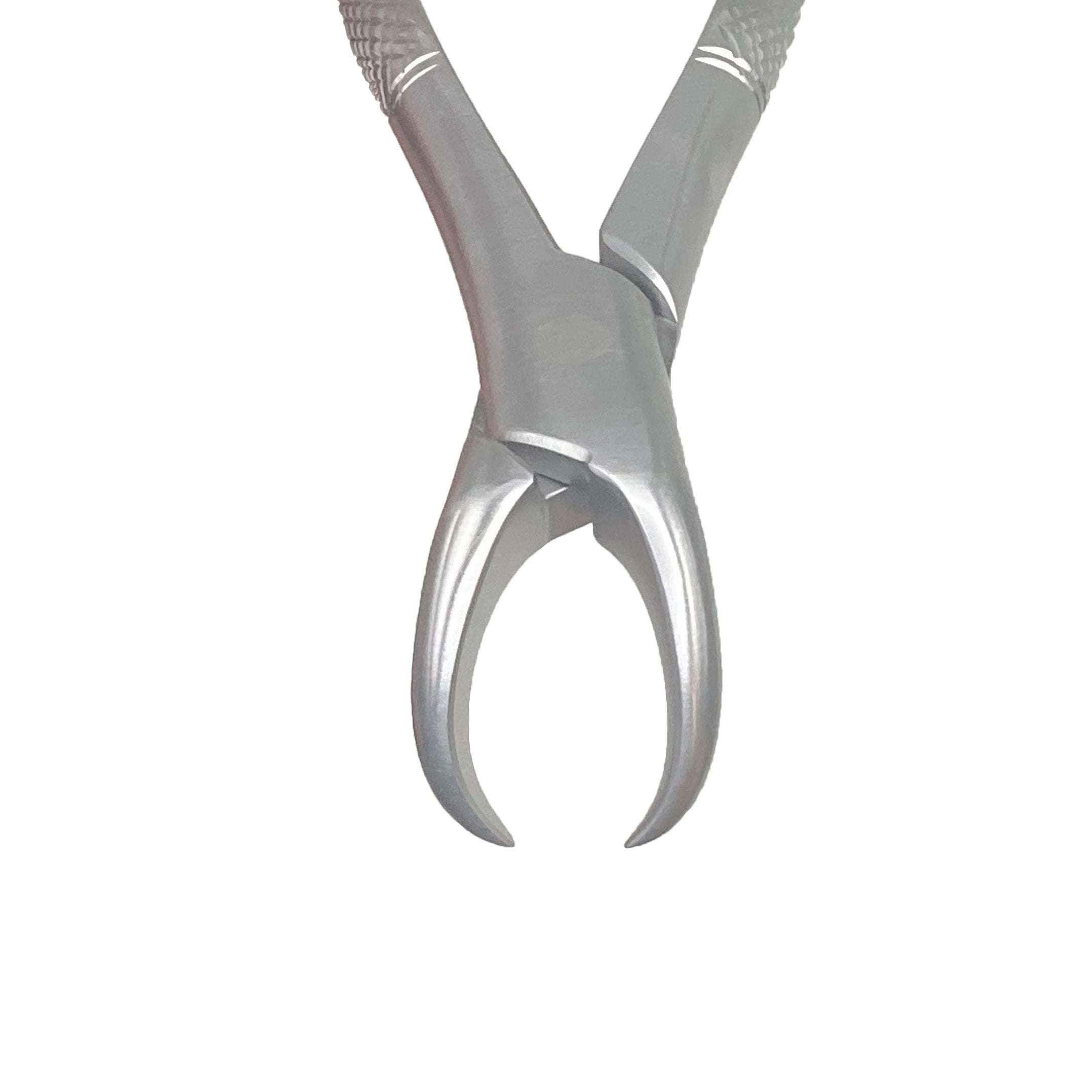
The core mechanical advantage of cowhorn design — whether upper or lower — is that the beaks engage at or below the furcation rather than at the crown.
That changes the physics of the extraction significantly.
When engagement is at the furcation, the instrument is stabilized against root structure rather than crown contour. The apical force vector is more direct. The instrument is less likely to ride coronally during initial luxation. And because the beaks are wedging into the furcation rather than gripping the crown, the mechanical advantage increases as pressure is applied — rather than decreasing as the beaks shift.
For upper molars with favorable furcation anatomy and divergent roots, that deeper engagement translates to:
-
More controlled initial elevation
-
Less reliance on coronal architecture for stability
-
More efficient force transfer toward actual tooth movement
-
Reduced need for repeated repositioning during initial luxation
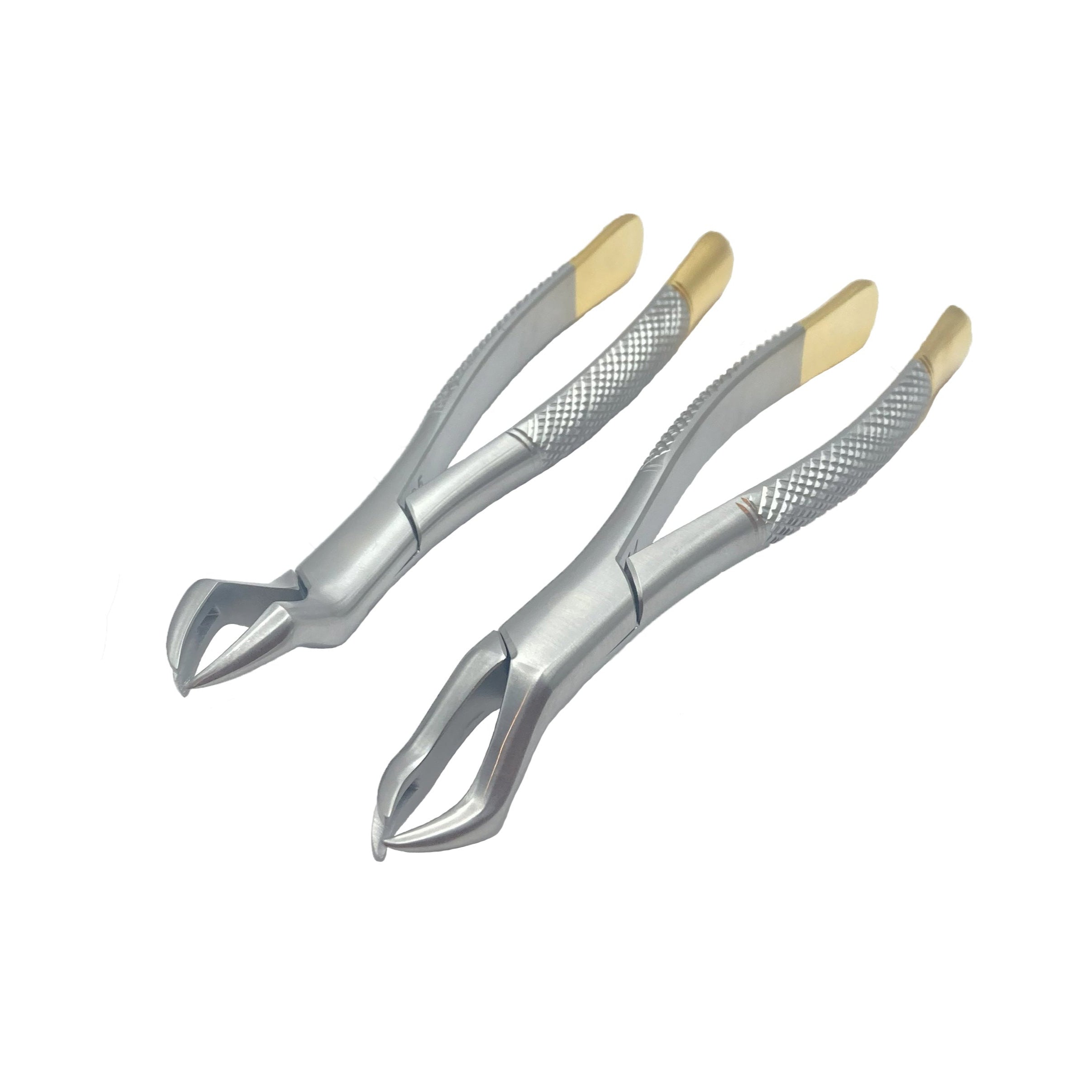
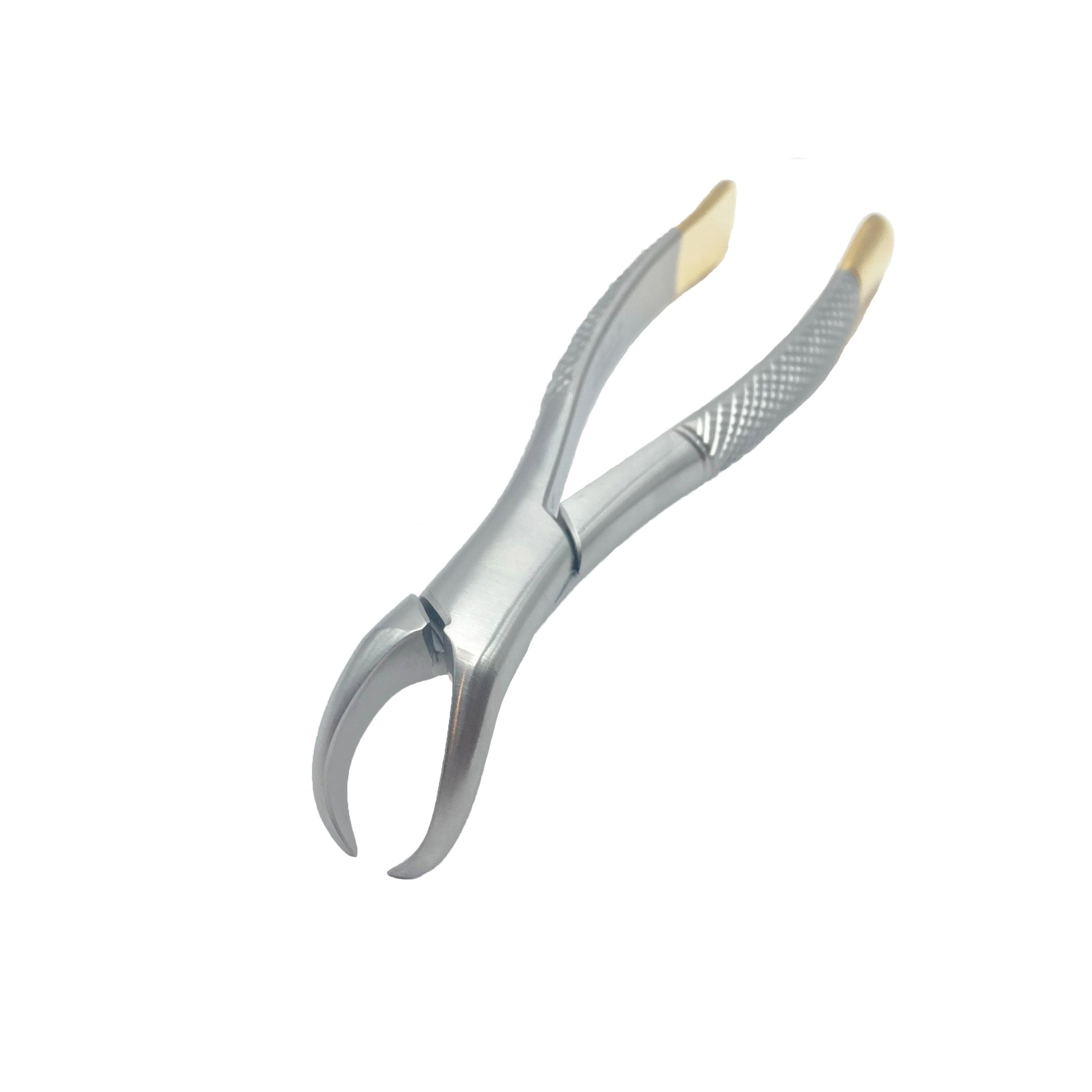
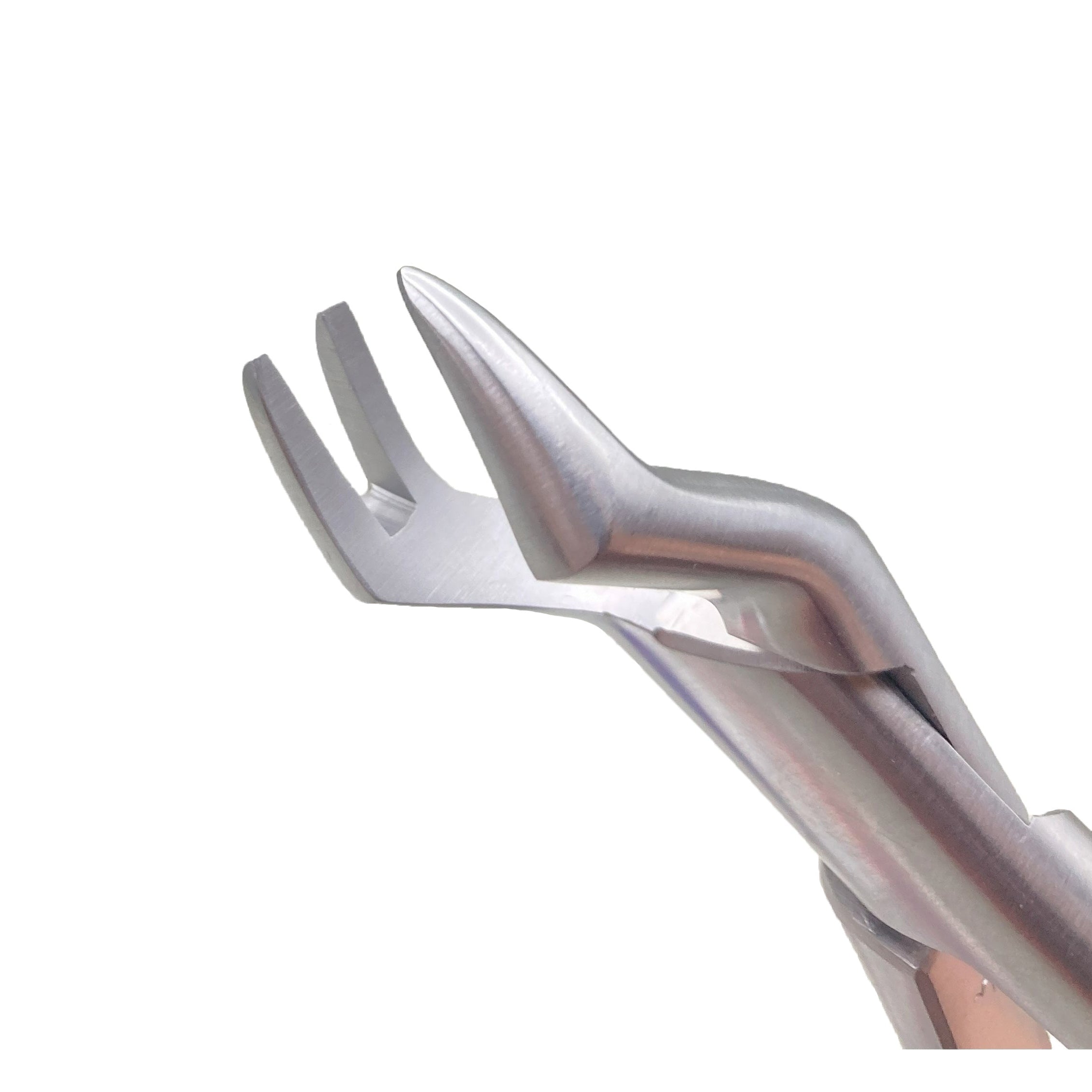
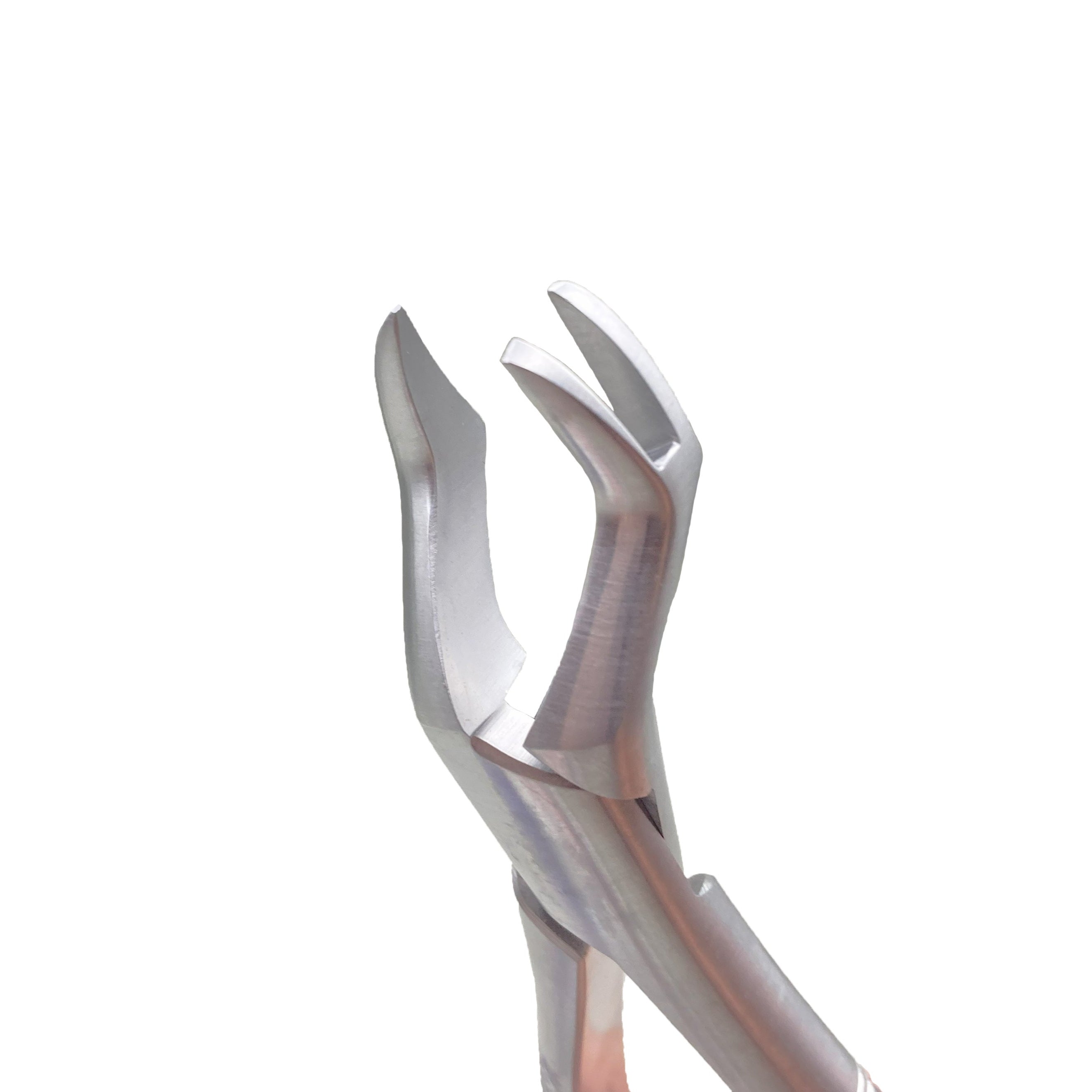
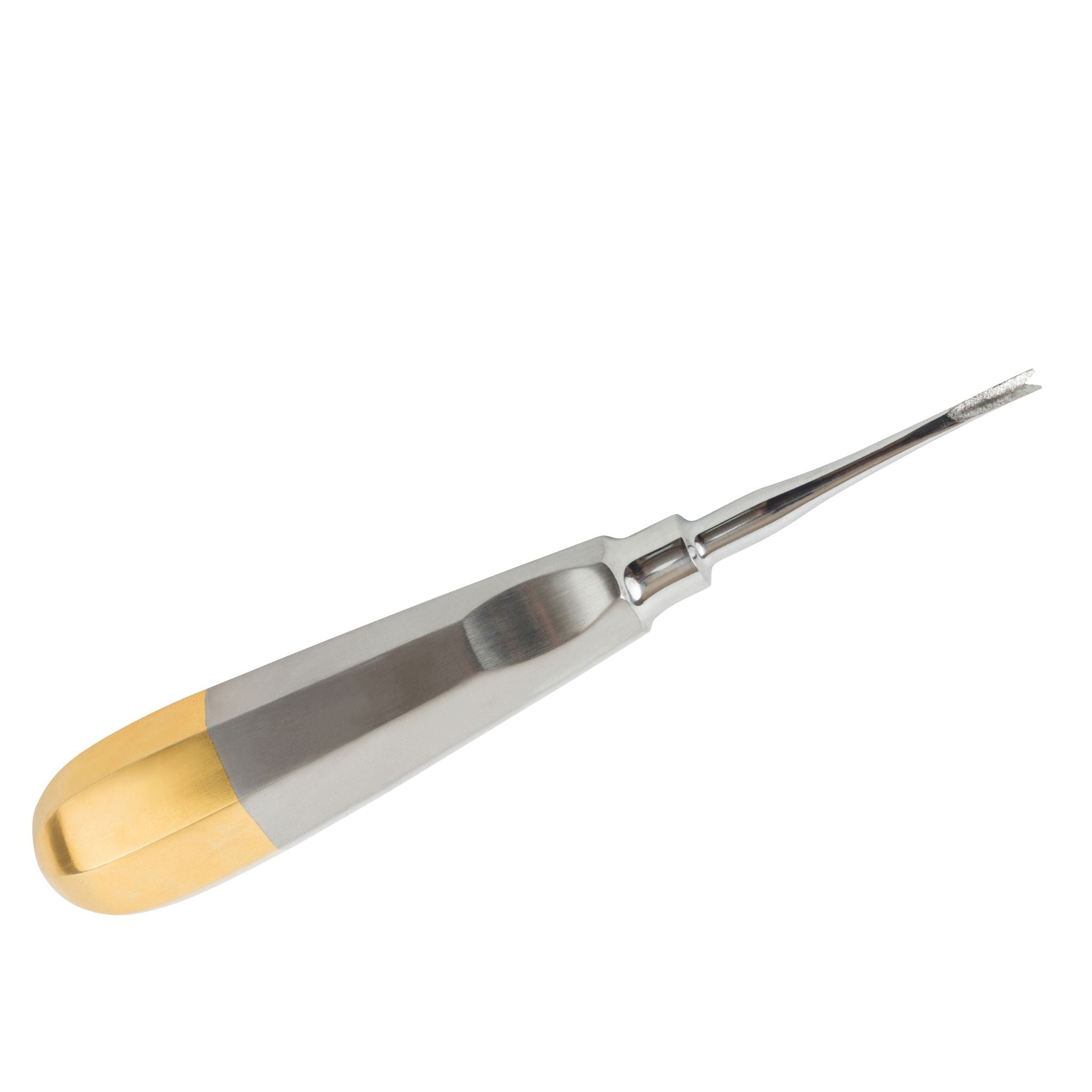
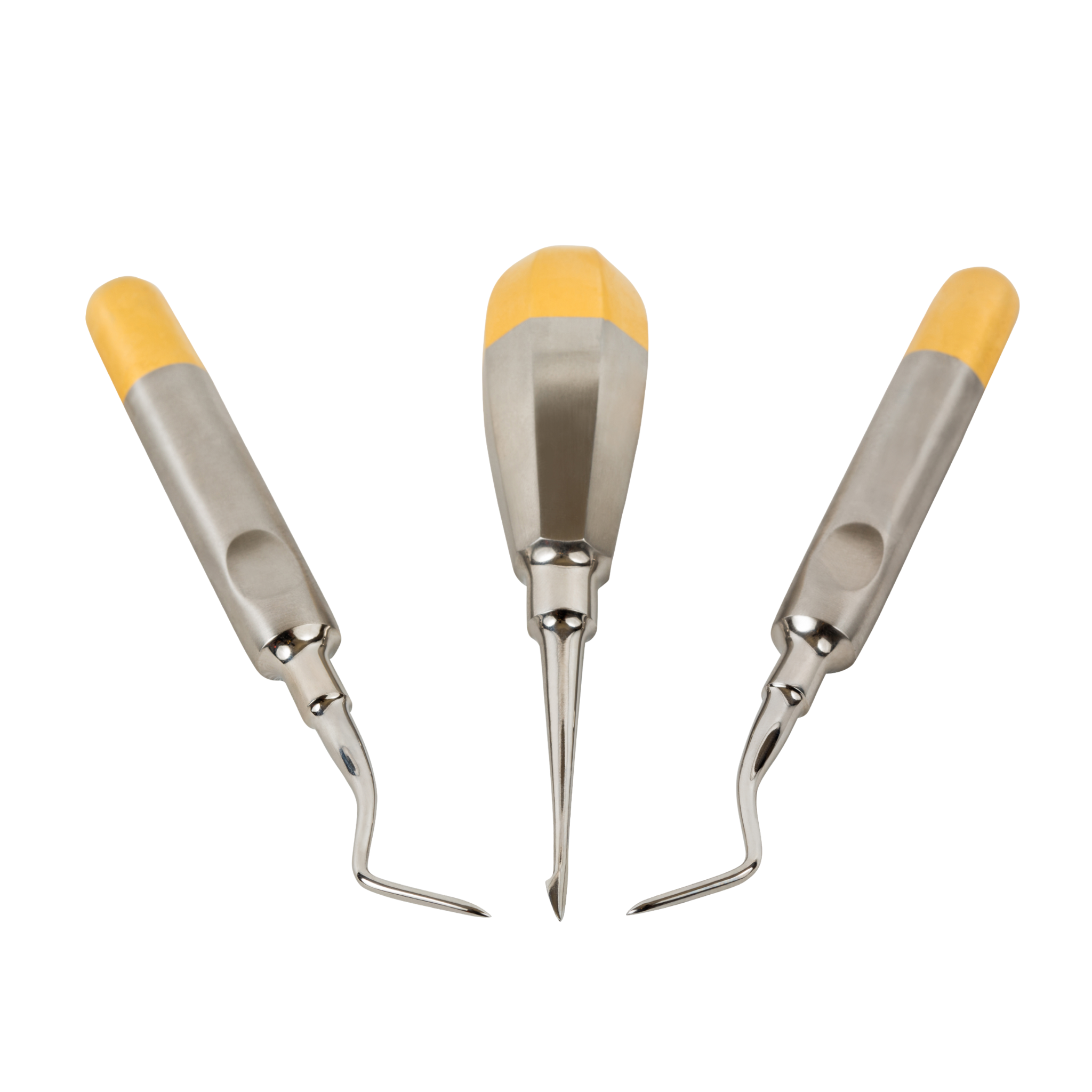
This is the scenario where the ArtCraft Dental Cowhorn Forceps #88 (Left/Right) performs well — not as a replacement for standard upper molar technique, but as the instrument you reach for when you need deeper, more mechanically direct furcation engagement on a maxillary molar.
Where the Cowhorn #88 Fits Clinically
To be clear about case selection: the ArtCraft Dental Cowhorn #88 is not a forceps for completely broken-down maxillary molars with no coronal structure remaining. When a tooth is truly fractured to the gingival margin, sectioning and elevator technique is the appropriate path — no forceps design solves that problem alone.
The #88 is best suited for:
-
Upper first and second molars with intact or largely intact crowns where standard forceps engagement feels unstable or shallow
-
Molars with divergent buccal roots where deeper furcation wedging creates better initial lift
-
Cases where the #18L/R seats but doesn't generate adequate mechanical advantage for controlled elevation
-
Surgeons who prefer furcation-based engagement as their primary upper molar technique for predictability
Think of it as the instrument that closes the gap between a standard forceps that isn't quite working and a surgical sectioning approach that isn't yet necessary. For upper molars that fall in that middle range — challenging but not requiring open technique — the #88 gives you a more direct mechanical solution.
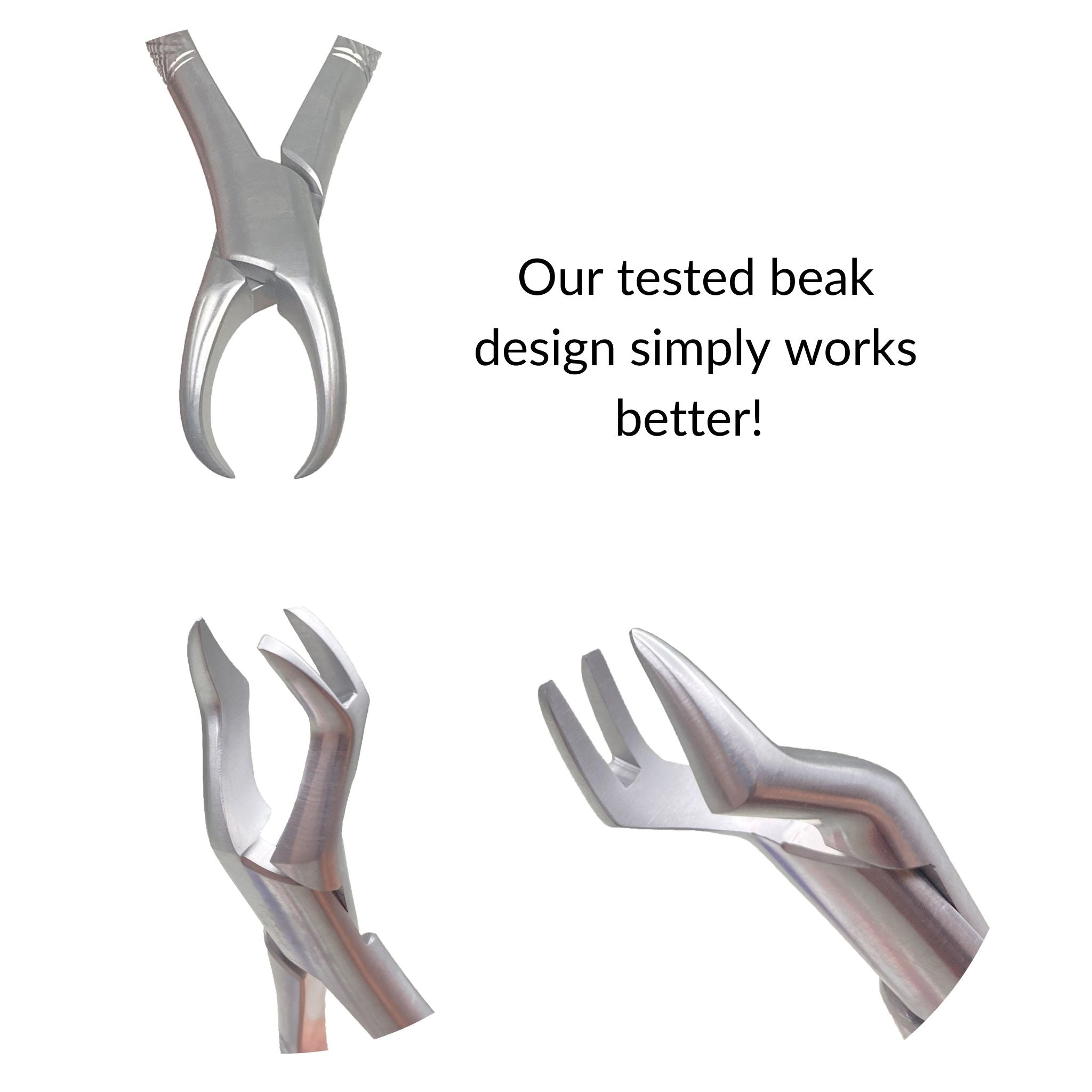
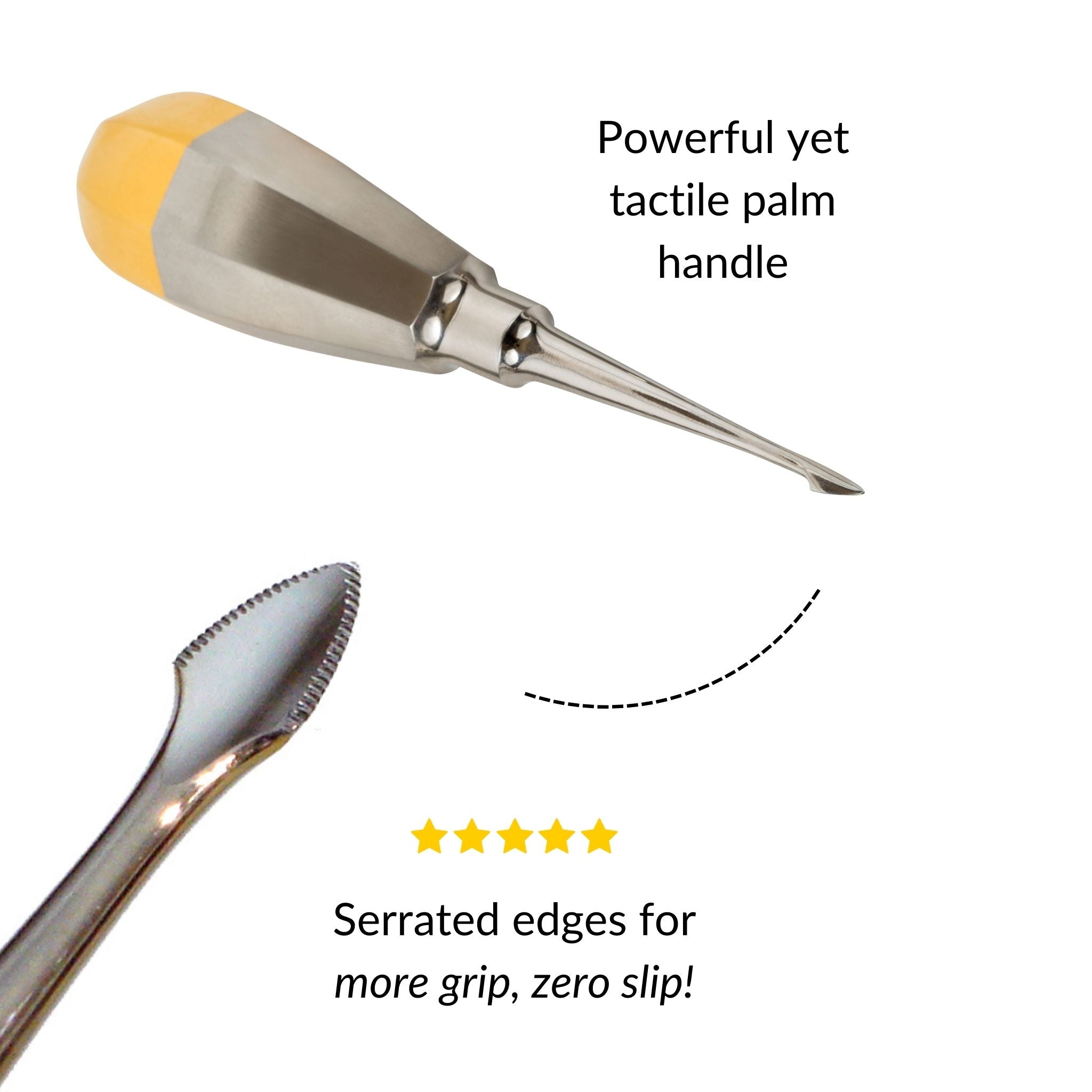
The precision-crafted beaks on the ArtCraft #88 are designed to penetrate deeper into the buccal furcation than standard upper molar forceps, providing more stable engagement and better apical force transfer. Built from 420 French surgical stainless steel, they maintain the rigidity needed under surgical load while remaining fully autoclave compatible.
The matched Left/Right configuration matters practically — instead of adjusting instrument angle awkwardly between quadrants, each instrument is oriented correctly for its side, which improves ergonomics and seating consistency across consecutive cases.
How the ArtCraft Dental Cowhorn #88 Fits Into a Staged Extraction Approach
The ArtCraft Dental Cowhorn #88 performs best as part of a deliberate sequence, not as a standalone instrument:
-
Radiographic assessment of root morphology and furcation anatomy before choosing instruments
-
Adequate anesthesia and sulcular incision to expose the furcation area for clean beak seating
-
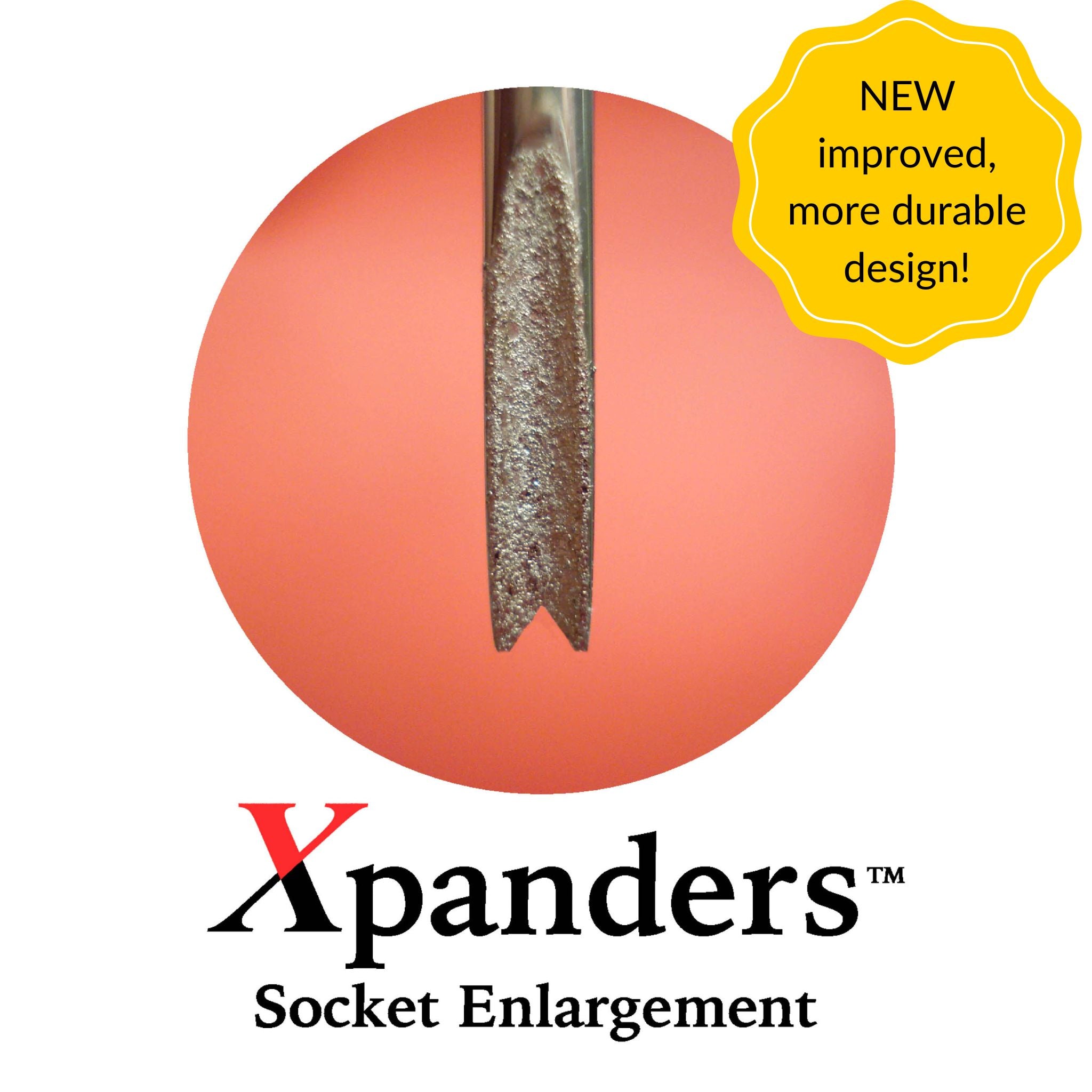
PDL expansion with Xpanders™ to begin socket expansion and initial mobility
-
Cowhorn #88 engagement at the buccal furcation for controlled elevation and additional luxation
-
Delivery with TraXion™ Forceps or continued elevation as needed
In this sequence, the #88 is doing the work of furcation-level mechanical advantage — which the Xpanders have prepared the socket for, and which the TraXion™ can finish once the tooth is mobile.
For practices that routinely extract upper molars, having both the Cowhorn #88L/R and the #23 lower cowhorn on hand covers the full molar extraction range — upper and lower — with instruments that are purpose-built for furcation engagement rather than generic crown-level grip.
The complete ArtCraft Surgical Extraction Bundle brings these instruments together for practices looking to build a coordinated extraction system.
Final Thoughts
Most upper molar extractions go smoothly with standard #18L/R forceps.
But not all of them.
When furcation-level engagement gives you better mechanical advantage than crown-level contact — whether because of root morphology, crown anatomy, or simply the need for more direct apical force — the ArtCraft Dental Cowhorn #88 is the instrument that fills that gap.
Not every case needs it. But the cases that do are exactly the ones where having the right forceps on the tray makes a measurable difference in control, efficiency, and predictability.
At ArtCraft Dental, every instrument in the surgical line was designed around real clinical scenarios — by a dentist who spent four decades encountering them. That context shows in the design. If upper molar extractions are a regular part of your schedule, the #88 is worth adding to your tray setup.